
New
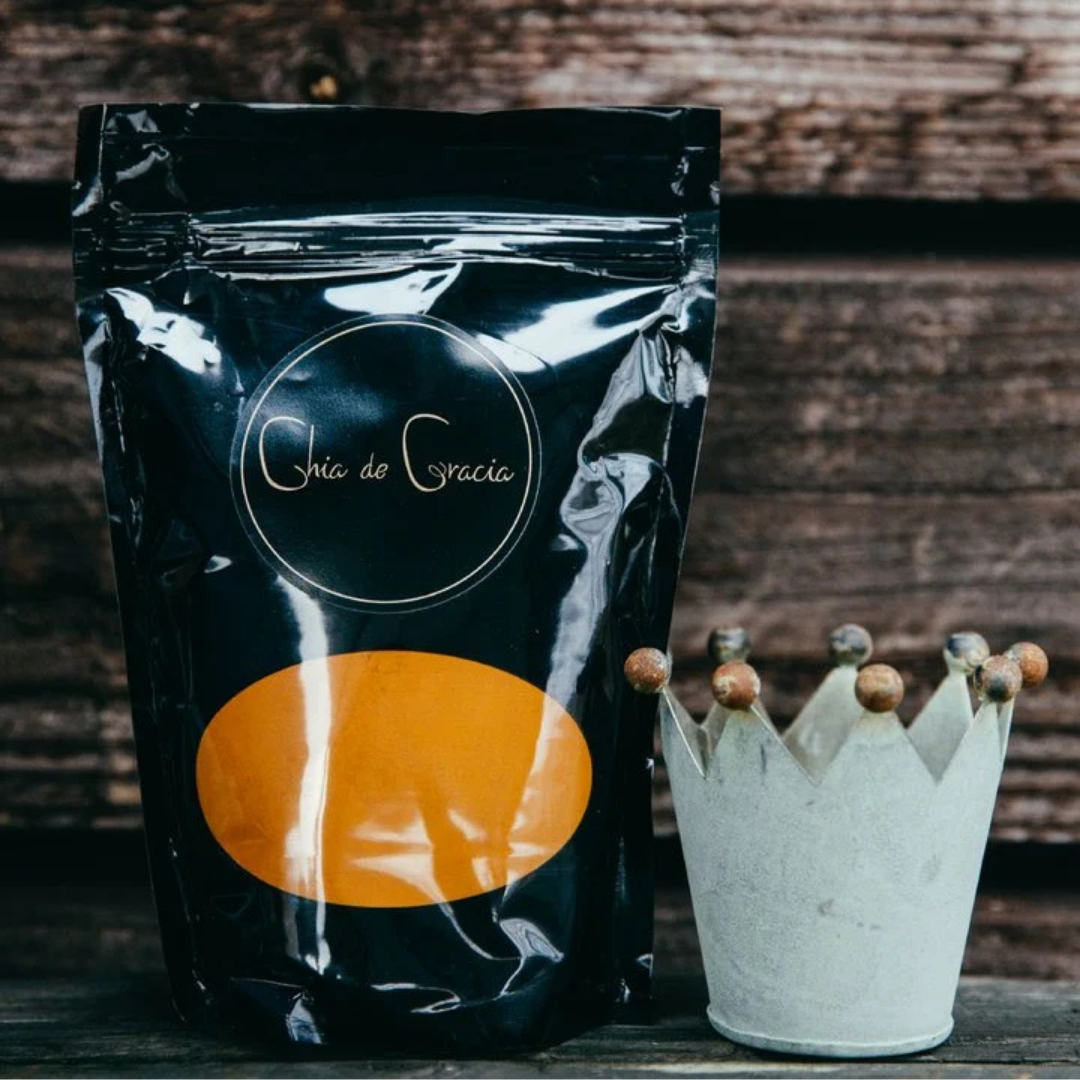
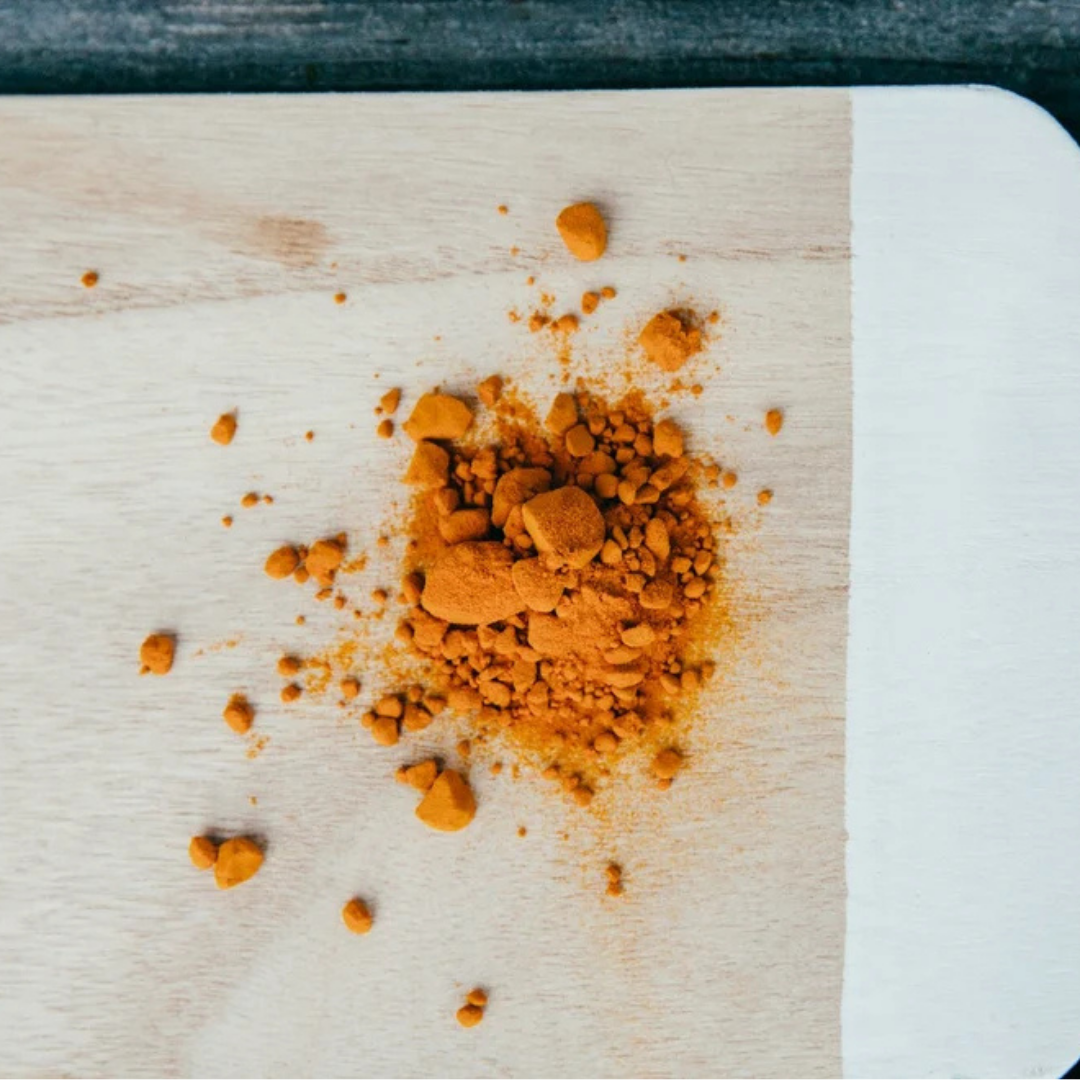
CHIA DE GRACIA TURMERIC POWDER
Turmeric is particularly known for curcumin and other bioactive compounds that are characteristic of the plant and that make up its distinctive chemical profile. Turmeric is one of the most extensively studied plants from a phytochemical perspective.
- Betala säkert med Klarna eller kort.
- E-mail us, we reply swiftly!
\* Edit these rows under Content > Article page
- BrandChia de Gracia
Description
Article no.: GURKMEJA PULVER
Turmeric for Horses and Dogs
For many, turmeric is a well-known component of a diet for animals whose daily lives consist of movement, activity, and exercise. It is a plant-based feed ingredient used as part of a varied and well-balanced diet for horses and dogs.
Turmeric is particularly known for curcumin and other bioactive compounds that are characteristic of the plant and form its distinctive chemical profile. Turmeric is one of the most extensively studied plants from a phytochemical perspective.
The daily life of an active animal consists of repeated muscle work, exercise, and physical exertion. In such situations, the quality and overall composition of the feed become particularly important. Turmeric is often chosen as part of the feed when the goal is to accommodate the animal’s active lifestyle and add plant-based variety and depth to the diet.
Turmeric has been part of feeding traditions for centuries across various cultures. Its use is based on the plant’s natural composition and long history as part of a balanced diet.
Natural Composition
The turmeric rhizome contains curcuminoids, of which curcumin is the most prominent. In dried turmeric, the curcuminoid content is typically around 2–6%, depending on the variety and processing method.
In addition, turmeric contains essential oils and other compounds that are part of the plant’s bioactive profile and natural structure.
Curcumin is fat-soluble, which is why turmeric is often used in combination with a small amount of fat as part of the feed.
Use in the diet
Suitable as part of the daily feed ration or for periodic use. Used as part of a balanced overall feed regimen.
Dosage
Horse, approx. 500 kg
1–3 tbsp per day
Dogs
½–2 teaspoons per day, depending on size
Start with a smaller amount and increase gradually.
1 tbsp ≈ 8 g
Important Notes
Not recommended for pregnant animals.
Animals allergic to birch or alder may also have a cross-allergy to turmeric.
For many, turmeric is a well-known component of a diet for animals whose daily lives consist of movement, activity, and exercise. It is a plant-based feed ingredient used as part of a varied and well-balanced diet for horses and dogs.
Turmeric is particularly known for curcumin and other bioactive compounds that are characteristic of the plant and form its distinctive chemical profile. Turmeric is one of the most extensively studied plants from a phytochemical perspective.
The daily life of an active animal consists of repeated muscle work, exercise, and physical exertion. In such situations, the quality and overall composition of the feed become particularly important. Turmeric is often chosen as part of the feed when the goal is to accommodate the animal’s active lifestyle and add plant-based variety and depth to the diet.
Turmeric has been part of feeding traditions for centuries across various cultures. Its use is based on the plant’s natural composition and long history as part of a balanced diet.
Natural Composition
The turmeric rhizome contains curcuminoids, of which curcumin is the most prominent. In dried turmeric, the curcuminoid content is typically around 2–6%, depending on the variety and processing method.
In addition, turmeric contains essential oils and other compounds that are part of the plant’s bioactive profile and natural structure.
Curcumin is fat-soluble, which is why turmeric is often used in combination with a small amount of fat as part of the feed.
Use in the diet
Suitable as part of the daily feed ration or for periodic use. Used as part of a balanced overall feed regimen.
Dosage
Horse, approx. 500 kg
1–3 tbsp per day
Dogs
½–2 teaspoons per day, depending on size
Start with a smaller amount and increase gradually.
1 tbsp ≈ 8 g
Important Notes
Not recommended for pregnant animals.
Animals allergic to birch or alder may also have a cross-allergy to turmeric.