New
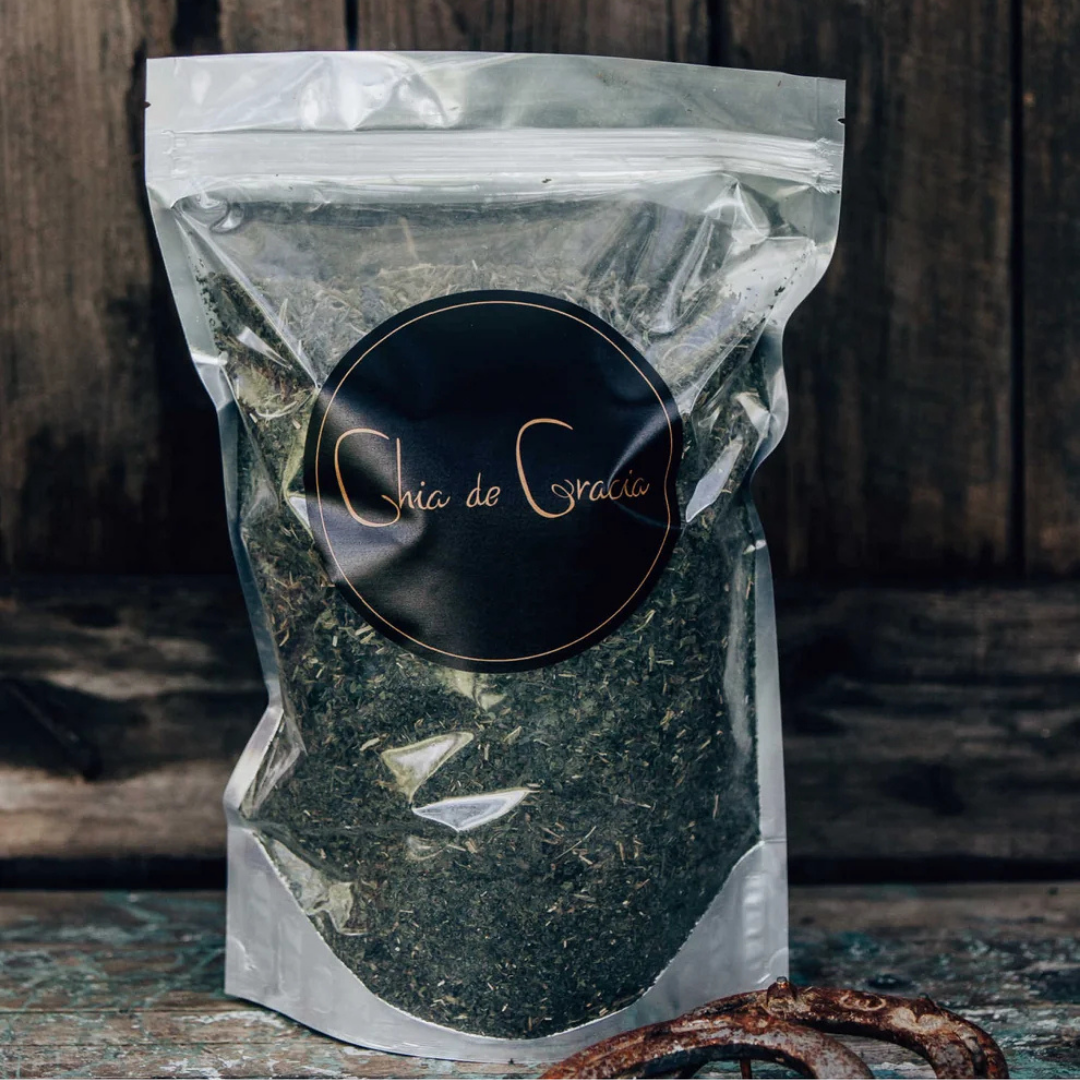
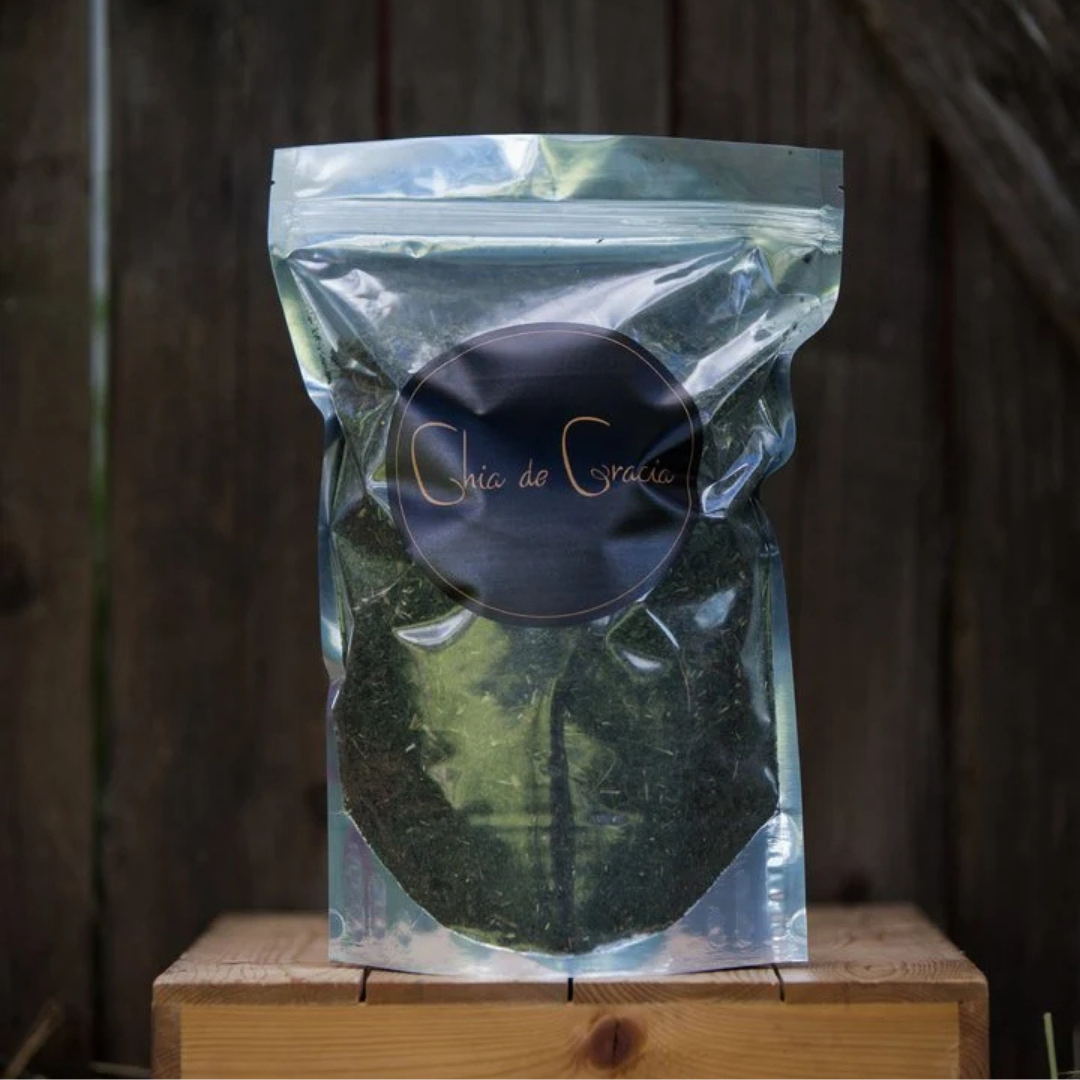
CHIA DE GRACIA STINGING NETTLE
Stinging nettle is a traditionally used and exceptionally nutritious plant that is rich in natural vitamins, minerals, and the plant's own bioactive compounds.
- Betala säkert med Klarna eller kort.
- E-mail us, we reply swiftly!
\* Edit these rows under Content > Article page
- BrandChia de Gracia
Description
Article no.: BRÄNNÄSSLA
Stinging nettle is a traditionally used and exceptionally nutritious plant that is rich in natural vitamins, minerals, and the plant’s own bioactive compounds. It is well-suited as part of a varied and natural diet for horses and dogs, especially when you want to supplement their diet with natural minerals, vitamins, and dietary fiber.
Stinging nettle is known for its high mineral content—no other wild plant in Finland or Sweden contains comparable amounts of natural mineral salts. For this reason, stinging nettle has long been a valued part of animal diets throughout the different seasons.
Minerals and Overall Nutrition
Stinging nettle naturally contains several minerals that are important for the nutritional needs of horses and dogs, such as calcium, magnesium, potassium, iron, silicon, manganese, and zinc.
These minerals are linked to the body’s normal physiological functions, including:
- the structure of the skeleton and teeth
- normal function of the muscles and nervous system
- maintaining the structure of the skin, coat, and keratin
In particular, the natural silicon content of stinging nettle makes it an interesting supplement in feeding regimes that take into account the nutritional needs of connective tissue, skin, coat, and hoof tissue.
Vitamins, plant-derived compounds, and dietary fiber
Stinging nettle naturally contains vitamins such as vitamin C, vitamin K, and B vitamins, as well as precursors to vitamin A (carotenoids). In addition, stinging nettle contains flavonoids, chlorophyll, and phenolic compounds, which are part of the plant’s natural structure and occur alongside other nutrients.
Stinging nettle also contains a significant amount of dietary fiber, which affects the structure of intestinal contents and supports normal digestive function as part of a high-fiber diet.
Iron as Part of the Diet
In situations where attention needs to be paid to the iron content of the diet, stinging nettle offers a gentle, easily digestible, and natural supplement as part of a balanced diet. Stinging nettle naturally contains iron, as well as vitamin C and folate, which work together effectively.
Use as part of the diet
Stinging nettle is particularly suitable for:
- winter and transitional season feeding
- increasing variety in the diet
- supplementing natural plant-based sources of minerals and fiber
- as part of a varied forage- and plant-based diet
Dosage:
Horses (approx. 500 kg):
1 tbsp – 0.5 dl per day as part of the diet
Dogs:
1/2 teaspoon – 1 tablespoon per day, depending on the dog’s size
Measurements:
1 dl ≈ 20 g
Start with a small dose and gradually increase as needed, based on individual tolerance.
Nutrients (naturally occurring, approximate values)
Dried stinging nettle naturally contains (approximately per 100 g): protein approx. 20–30 g, dietary fiber approx. 29–40 g, fat approx. 2–5 g, calcium approx. 1,000–1,700 mg, magnesium approx. 300–450 mg, potassium approx. 600–2,500 mg, phosphorus approx. 250–300 mg, iron approx. 5–30 mg, zinc approx. 1–5 mg, manganese approx. 3–8 mg, and silicon approx. 100–300 mg.
In addition, stinging nettle naturally contains vitamin C, vitamin K, and B vitamins, carotenoids, flavonoids, and chlorophyll. Vitamin C: approximately 10–30 mg; vitamin K: approximately 200–400 µg; and B vitamins such as riboflavin (B2): approximately 0.2–0.4 mg, niacin (B3) approx. 1–3 mg, and pantothenic acid (B5) approx. 0.5–1.5 mg, as well as carotenoids approx. 4,000–6,000 µg/100 g.
Variations in content are typical for natural products and may depend on the growing location, harvest, plant parts, and drying method.
Composition: 100% dried and crushed stinging nettle (Urtica dioica).
No additives.
Important considerations for use
Not recommended for pregnant animals.
Always ensure adequate access to fresh drinking water as part of a high-fiber diet.
Stinging nettle is known for its high mineral content—no other wild plant in Finland or Sweden contains comparable amounts of natural mineral salts. For this reason, stinging nettle has long been a valued part of animal diets throughout the different seasons.
Minerals and Overall Nutrition
Stinging nettle naturally contains several minerals that are important for the nutritional needs of horses and dogs, such as calcium, magnesium, potassium, iron, silicon, manganese, and zinc.
These minerals are linked to the body’s normal physiological functions, including:
- the structure of the skeleton and teeth
- normal function of the muscles and nervous system
- maintaining the structure of the skin, coat, and keratin
In particular, the natural silicon content of stinging nettle makes it an interesting supplement in feeding regimes that take into account the nutritional needs of connective tissue, skin, coat, and hoof tissue.
Vitamins, plant-derived compounds, and dietary fiber
Stinging nettle naturally contains vitamins such as vitamin C, vitamin K, and B vitamins, as well as precursors to vitamin A (carotenoids). In addition, stinging nettle contains flavonoids, chlorophyll, and phenolic compounds, which are part of the plant’s natural structure and occur alongside other nutrients.
Stinging nettle also contains a significant amount of dietary fiber, which affects the structure of intestinal contents and supports normal digestive function as part of a high-fiber diet.
Iron as Part of the Diet
In situations where attention needs to be paid to the iron content of the diet, stinging nettle offers a gentle, easily digestible, and natural supplement as part of a balanced diet. Stinging nettle naturally contains iron, as well as vitamin C and folate, which work together effectively.
Use as part of the diet
Stinging nettle is particularly suitable for:
- winter and transitional season feeding
- increasing variety in the diet
- supplementing natural plant-based sources of minerals and fiber
- as part of a varied forage- and plant-based diet
Dosage:
Horses (approx. 500 kg):
1 tbsp – 0.5 dl per day as part of the diet
Dogs:
1/2 teaspoon – 1 tablespoon per day, depending on the dog’s size
Measurements:
1 dl ≈ 20 g
Start with a small dose and gradually increase as needed, based on individual tolerance.
Nutrients (naturally occurring, approximate values)
Dried stinging nettle naturally contains (approximately per 100 g): protein approx. 20–30 g, dietary fiber approx. 29–40 g, fat approx. 2–5 g, calcium approx. 1,000–1,700 mg, magnesium approx. 300–450 mg, potassium approx. 600–2,500 mg, phosphorus approx. 250–300 mg, iron approx. 5–30 mg, zinc approx. 1–5 mg, manganese approx. 3–8 mg, and silicon approx. 100–300 mg.
In addition, stinging nettle naturally contains vitamin C, vitamin K, and B vitamins, carotenoids, flavonoids, and chlorophyll. Vitamin C: approximately 10–30 mg; vitamin K: approximately 200–400 µg; and B vitamins such as riboflavin (B2): approximately 0.2–0.4 mg, niacin (B3) approx. 1–3 mg, and pantothenic acid (B5) approx. 0.5–1.5 mg, as well as carotenoids approx. 4,000–6,000 µg/100 g.
Variations in content are typical for natural products and may depend on the growing location, harvest, plant parts, and drying method.
Composition: 100% dried and crushed stinging nettle (Urtica dioica).
No additives.
Important considerations for use
Not recommended for pregnant animals.
Always ensure adequate access to fresh drinking water as part of a high-fiber diet.