
New
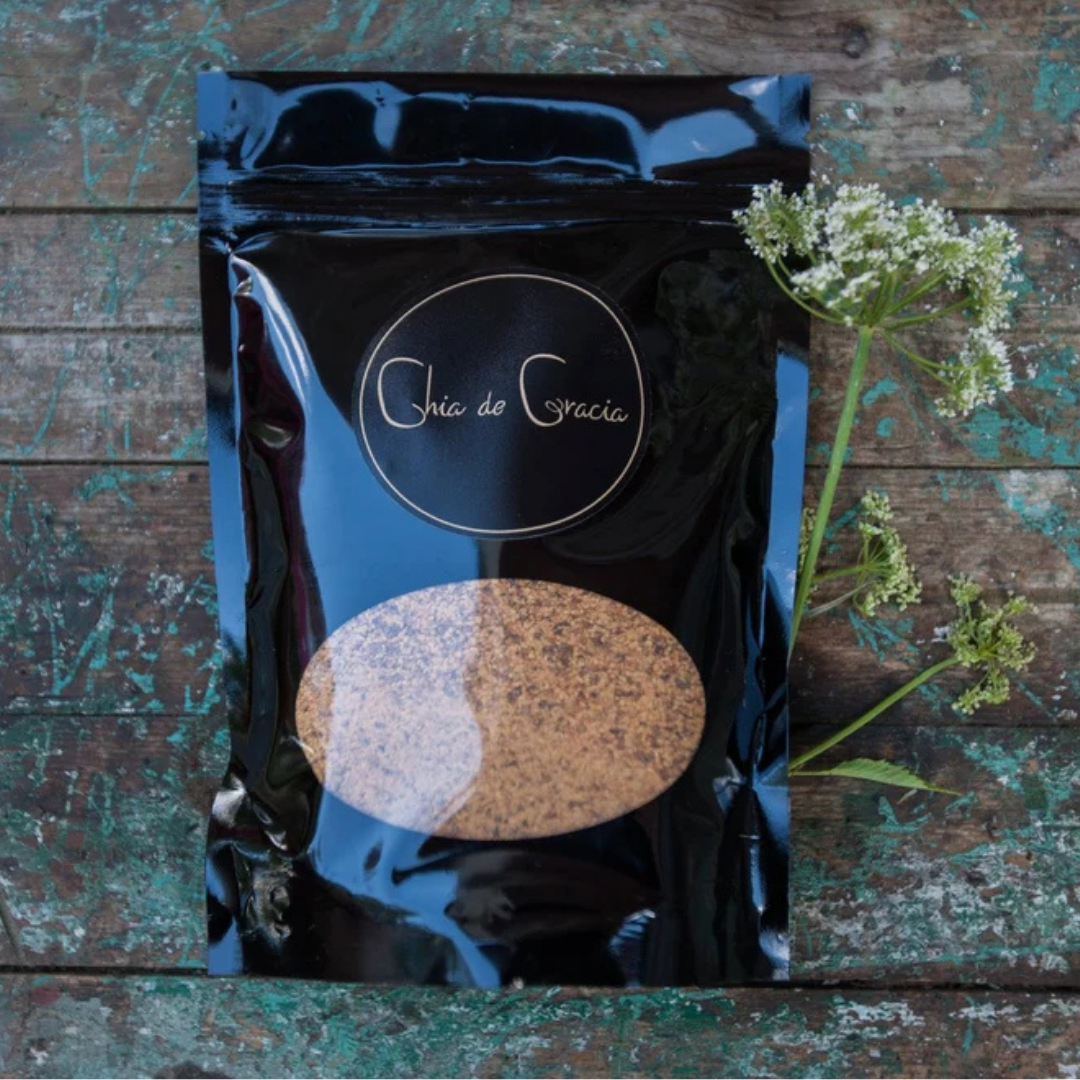
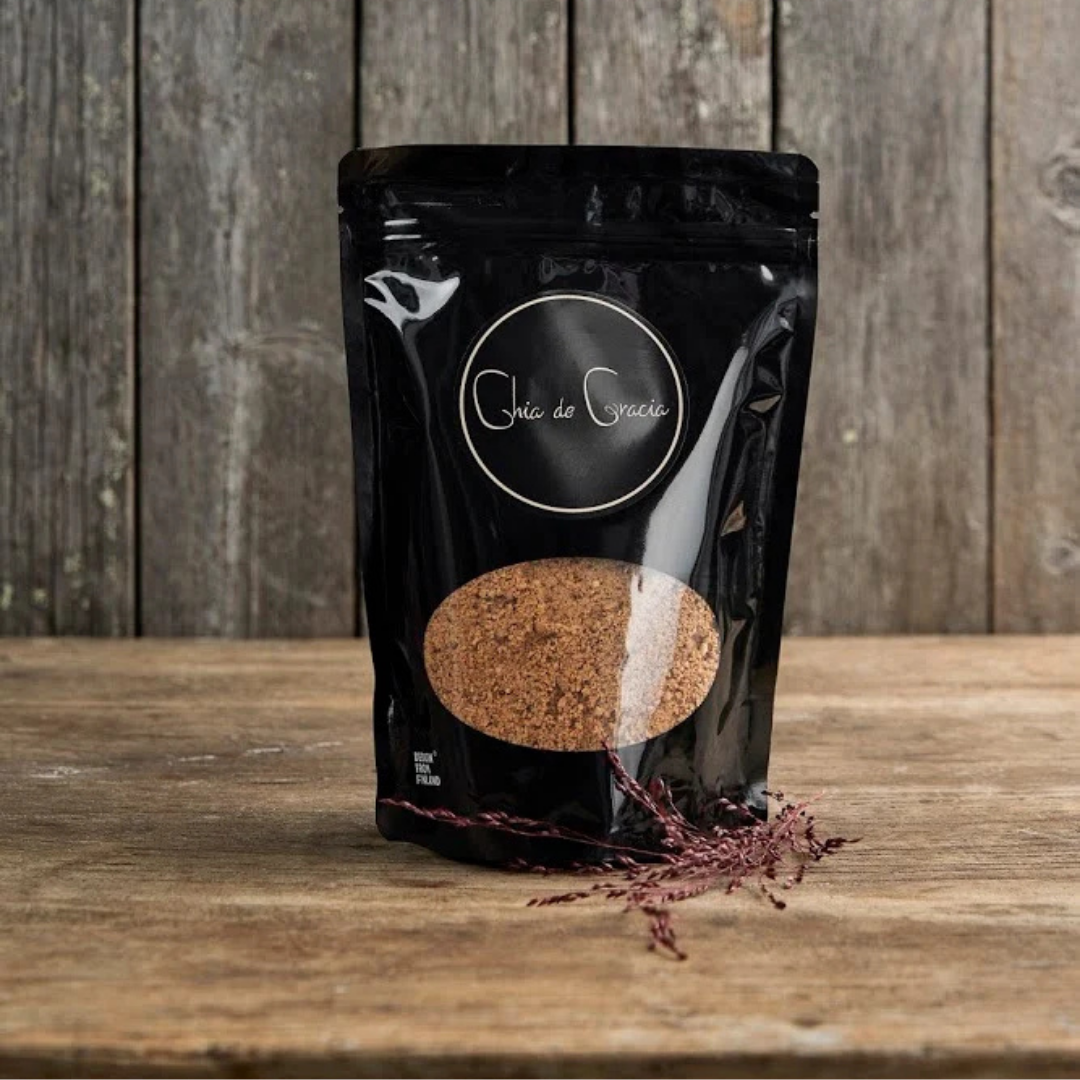
CHIA DE GRACIA NYPONGRANULAT
A versatile and nutritious supplement for daily feeding
Rose hips are a popular and natural dietary supplement for both horses and dogs.
Rose hips are a popular and natural dietary supplement for both horses and dogs.
- Betala säkert med Klarna eller kort.
- E-mail us, we reply swiftly!
\* Edit these rows under Content > Article page
- BrandChia de Gracia
Description
Article no.: NYPONGRANULAT
A versatile and nutritious supplement for daily feeding
Rose hips are a valued and natural dietary supplement for both horses and dogs. This nutrient-rich fruit naturally contains vitamins, fiber, minerals, and plant compounds, making it a popular addition to a varied diet.
Ground rose hips (Rosa canina)
Naturally rich in vitamins and plant compounds
Rose hips naturally contain, among other things, vitamin C, B vitamins, and fat-soluble vitamins such as vitamins A, D, E, and K as part of the plant’s natural composition.
Vitamins A and E help protect cells against oxidative stress and are part of the body’s normal physiological functions. Vitamin A is linked to, among other things, the skin’s normal structure, vision, and reproductive function.
Rose hips are therefore a valued supplement in animal feed when the goal is to provide natural vitamins and plant-based nutrients.
Rosehips, Collagen, and Joints
Rose hips are particularly known for their naturally high vitamin C content.
Vitamin C contributes to the body’s normal collagen formation. Collagen is an important structural protein that occurs naturally in cartilage, tendons, ligaments, and connective tissue.
Rose hips also naturally contain galactolipids, polyphenols, and other plant compounds that have been studied in connection with normal joint function and mobility.
For this reason, rose hips are often used as part of the diet for:
older horses and dogs
actively working animals
animals whose joint health and mobility are given special attention in their diet
Natural source of sulfur
Rosehip seeds naturally contain sulfur-containing compounds.
Sulfur occurs naturally in the body and is a component of several structures, including connective tissue, cartilage, skin, and fur.
Fiber for the stomach and intestines
Rose hips naturally contain pectin, a soluble fiber that contributes a soft fiber texture to the diet.
Pectin is a type of fiber often used as part of high-fiber diets designed to support gut health and maintain a nutritional balance in digestion.
Rose hips also contain natural sorbitol, which is a natural component of the fruit.
Minerals, amino acids, and natural nutrients
Rose hips naturally contain:
magnesium
calcium
potassium
phosphorus
iron
zinc
copper
manganese
as well as amino acids, beta-carotene, and plant-specific polyphenols.
Magnesium is essential for the normal function of muscles and the nervous system and is a natural component of the rosehip’s nutritional profile.
Feeding Applications
Rose hips are often used:
as part of a diet to support joints and mobility
for older horses and dogs
for active and working animals
as a natural vitamin supplement
in high-fiber diets
as part of a varied herbal and plant-based diet
Rose hips are often combined with, for example, stinging nettle and MSM in feeding regimens that focus on joints and mobility.
Dosage
Horse, 500 kg
1–5 tbsp per day
Dog
1 teaspoon – 1 tablespoon per day
1 tablespoon ≈ 11 g
1 dl ≈ 85 g
Nutritional information per 100 g
Protein 4.3 g, fat 0.3 g, carbohydrates 60.3 g, fiber 24.1 g.
Vitamins
Vitamin C 498 mg, vitamin A 217 μg RE, vitamin B1 0.02 mg, vitamin B2 0.10 mg, vitamin B3 1.3 mg, vitamin E 5.84 mg, vitamin K 25.9 μg.
Minerals
Calcium 510 mg, potassium 650 mg, magnesium 210 mg, phosphorus 130 mg, zinc 0.95 mg, manganese 2.3 mg, iron 5.5 mg, copper 0.5 mg.
Composition
100% dried and ground rose hips (Rosa canina)
No additives.
Rose hips are a valued and natural dietary supplement for both horses and dogs. This nutrient-rich fruit naturally contains vitamins, fiber, minerals, and plant compounds, making it a popular addition to a varied diet.
Ground rose hips (Rosa canina)
Naturally rich in vitamins and plant compounds
Rose hips naturally contain, among other things, vitamin C, B vitamins, and fat-soluble vitamins such as vitamins A, D, E, and K as part of the plant’s natural composition.
Vitamins A and E help protect cells against oxidative stress and are part of the body’s normal physiological functions. Vitamin A is linked to, among other things, the skin’s normal structure, vision, and reproductive function.
Rose hips are therefore a valued supplement in animal feed when the goal is to provide natural vitamins and plant-based nutrients.
Rosehips, Collagen, and Joints
Rose hips are particularly known for their naturally high vitamin C content.
Vitamin C contributes to the body’s normal collagen formation. Collagen is an important structural protein that occurs naturally in cartilage, tendons, ligaments, and connective tissue.
Rose hips also naturally contain galactolipids, polyphenols, and other plant compounds that have been studied in connection with normal joint function and mobility.
For this reason, rose hips are often used as part of the diet for:
older horses and dogs
actively working animals
animals whose joint health and mobility are given special attention in their diet
Natural source of sulfur
Rosehip seeds naturally contain sulfur-containing compounds.
Sulfur occurs naturally in the body and is a component of several structures, including connective tissue, cartilage, skin, and fur.
Fiber for the stomach and intestines
Rose hips naturally contain pectin, a soluble fiber that contributes a soft fiber texture to the diet.
Pectin is a type of fiber often used as part of high-fiber diets designed to support gut health and maintain a nutritional balance in digestion.
Rose hips also contain natural sorbitol, which is a natural component of the fruit.
Minerals, amino acids, and natural nutrients
Rose hips naturally contain:
magnesium
calcium
potassium
phosphorus
iron
zinc
copper
manganese
as well as amino acids, beta-carotene, and plant-specific polyphenols.
Magnesium is essential for the normal function of muscles and the nervous system and is a natural component of the rosehip’s nutritional profile.
Feeding Applications
Rose hips are often used:
as part of a diet to support joints and mobility
for older horses and dogs
for active and working animals
as a natural vitamin supplement
in high-fiber diets
as part of a varied herbal and plant-based diet
Rose hips are often combined with, for example, stinging nettle and MSM in feeding regimens that focus on joints and mobility.
Dosage
Horse, 500 kg
1–5 tbsp per day
Dog
1 teaspoon – 1 tablespoon per day
1 tablespoon ≈ 11 g
1 dl ≈ 85 g
Nutritional information per 100 g
Protein 4.3 g, fat 0.3 g, carbohydrates 60.3 g, fiber 24.1 g.
Vitamins
Vitamin C 498 mg, vitamin A 217 μg RE, vitamin B1 0.02 mg, vitamin B2 0.10 mg, vitamin B3 1.3 mg, vitamin E 5.84 mg, vitamin K 25.9 μg.
Minerals
Calcium 510 mg, potassium 650 mg, magnesium 210 mg, phosphorus 130 mg, zinc 0.95 mg, manganese 2.3 mg, iron 5.5 mg, copper 0.5 mg.
Composition
100% dried and ground rose hips (Rosa canina)
No additives.