
New
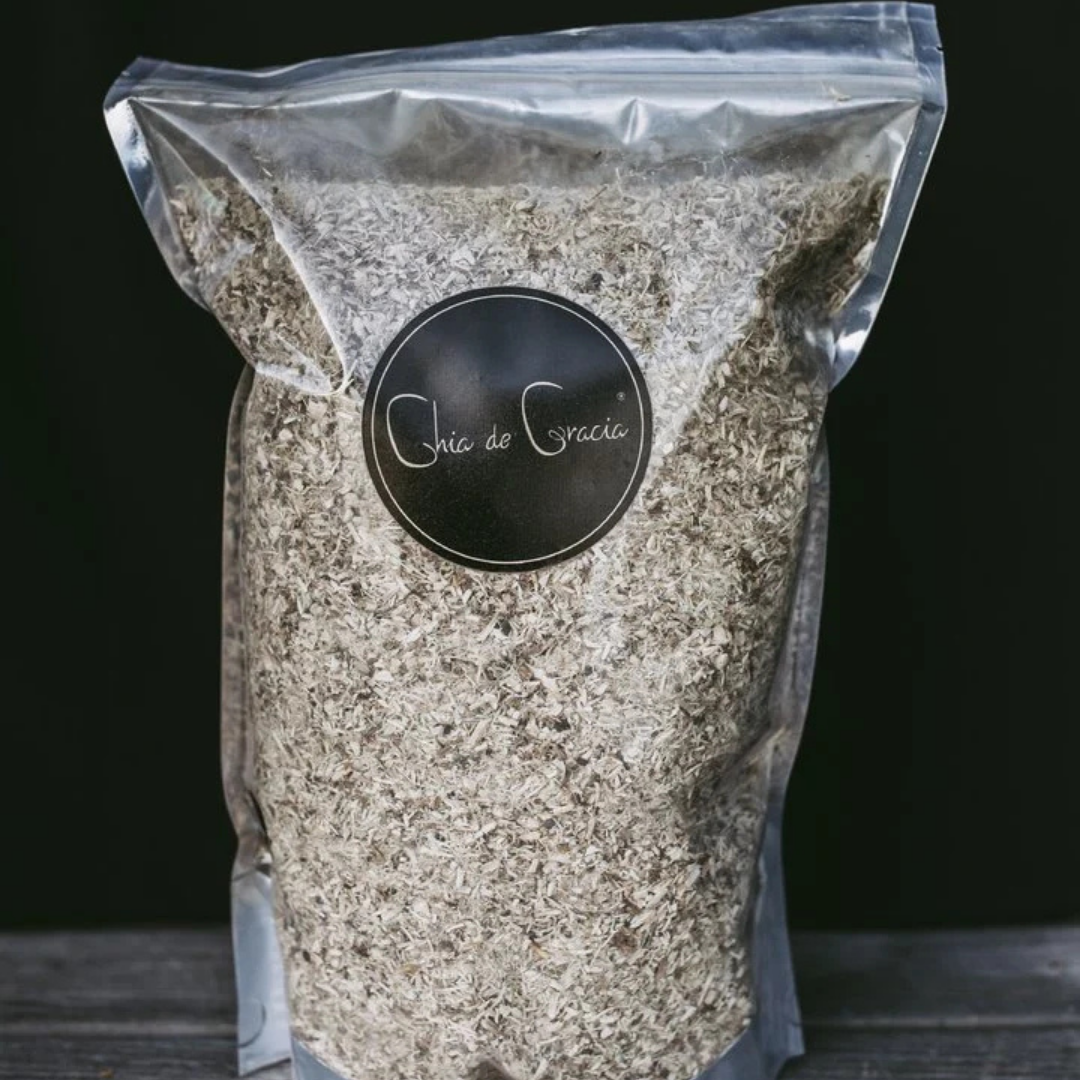
CHIA DE GRACIA MEDICINAL MALLOW
Marshmallow (Althaea officinalis) is a traditionally used plant with a naturally high content of mucilage and soluble fiber. The root, in particular, is rich in water-soluble polysaccharides that, when combined with liquid, form a soft, gel-like structure.
- Betala säkert med Klarna eller kort.
- E-mail us, we reply swiftly!
\* Edit these rows under Content > Article page
- BrandChia de Gracia
Description
Article no.: LÄKEMALVA
Marshmallow (Althaea officinalis) is a traditionally used plant with a naturally high content of mucilage and soluble fiber. The root, in particular, is rich in water-soluble polysaccharides that, when combined with liquid, form a soft, jelly-like texture.
This gel-forming property makes marshmallow an interesting plant-based supplement when you want to place extra emphasis on digestion, fiber intake, and the normal function of the mucous membranes as part of the daily diet. Mucous membranes are found, among other places, in the digestive tract, the respiratory tract, and the urinary tract.
Mucilage and Soluble Fiber
The root of the marshmallow plant naturally contains a high proportion of mucilage, along with other soluble fibers such as pectin and beta-glucans. When these come into contact with liquid, they bind water and form a gel-like mass.
As part of a balanced diet, soluble fibers contribute to the normal structure of intestinal contents, normal stool consistency, and regular bowel movements. They also serve as a nutrient substrate for microorganisms in the gut and are thus part of the overall nutritional profile that contributes to a normal intestinal environment.
This makes marsh mallow particularly interesting in diets where one wishes to supplement with water-binding and soluble fibers, for example, when the feed is dry or the fiber sources are less varied. It can also be a useful supplement for older animals or those prone to hard or irregular stools.
Natural Plant Compounds
In addition to mucilage, marshmallow naturally contains, among other things, pectin, beta-glucans, flavonoids, asparagine, and minerals.
Flavonoids are naturally occurring plant compounds that belong to the group of polyphenols. Together with the plant’s fibers and other natural components, they contribute to the composition of marshmallow as a plant-based feed ingredient.
Properties
-For horses and dogs
-Natural plant-based feed ingredient
-Rich in natural mucilage
-Contains soluble fiber
-Forms a gel-like consistency when mixed with liquid
-Contributes to the normal consistency of intestinal contents
-Suitable as part of a high-fiber, varied diet
-Contains natural pectin and beta-glucans
-Contains natural flavonoids and other plant compounds
-May be particularly beneficial in cases of dry or unbalanced fiber-based diets
-Also suitable as a supplemental feed for older animals
Dosage
Horse, approx. 500 kg:
1–2 dl per day as part of the diet.
Dog:
½–2 teaspoons per day as part of the daily feed.
1 msk ≈ 3 g
Ingredients
Marshmallow (Althaea officinalis).
Naturally contains, among other things:
Mucilage: approx. 20–35%
Pectin: approx. 10%
Asparagine: approx. 2%
Minerals: approx. 5–7%
Things to Keep in Mind
The mucilage in marshmallow may affect the absorption of other substances in the digestive tract. If the horse or dog is being treated with medication, use should therefore be discussed with a veterinarian.
Not recommended for horses prone to low blood sugar.
This gel-forming property makes marshmallow an interesting plant-based supplement when you want to place extra emphasis on digestion, fiber intake, and the normal function of the mucous membranes as part of the daily diet. Mucous membranes are found, among other places, in the digestive tract, the respiratory tract, and the urinary tract.
Mucilage and Soluble Fiber
The root of the marshmallow plant naturally contains a high proportion of mucilage, along with other soluble fibers such as pectin and beta-glucans. When these come into contact with liquid, they bind water and form a gel-like mass.
As part of a balanced diet, soluble fibers contribute to the normal structure of intestinal contents, normal stool consistency, and regular bowel movements. They also serve as a nutrient substrate for microorganisms in the gut and are thus part of the overall nutritional profile that contributes to a normal intestinal environment.
This makes marsh mallow particularly interesting in diets where one wishes to supplement with water-binding and soluble fibers, for example, when the feed is dry or the fiber sources are less varied. It can also be a useful supplement for older animals or those prone to hard or irregular stools.
Natural Plant Compounds
In addition to mucilage, marshmallow naturally contains, among other things, pectin, beta-glucans, flavonoids, asparagine, and minerals.
Flavonoids are naturally occurring plant compounds that belong to the group of polyphenols. Together with the plant’s fibers and other natural components, they contribute to the composition of marshmallow as a plant-based feed ingredient.
Properties
-For horses and dogs
-Natural plant-based feed ingredient
-Rich in natural mucilage
-Contains soluble fiber
-Forms a gel-like consistency when mixed with liquid
-Contributes to the normal consistency of intestinal contents
-Suitable as part of a high-fiber, varied diet
-Contains natural pectin and beta-glucans
-Contains natural flavonoids and other plant compounds
-May be particularly beneficial in cases of dry or unbalanced fiber-based diets
-Also suitable as a supplemental feed for older animals
Dosage
Horse, approx. 500 kg:
1–2 dl per day as part of the diet.
Dog:
½–2 teaspoons per day as part of the daily feed.
1 msk ≈ 3 g
Ingredients
Marshmallow (Althaea officinalis).
Naturally contains, among other things:
Mucilage: approx. 20–35%
Pectin: approx. 10%
Asparagine: approx. 2%
Minerals: approx. 5–7%
Things to Keep in Mind
The mucilage in marshmallow may affect the absorption of other substances in the digestive tract. If the horse or dog is being treated with medication, use should therefore be discussed with a veterinarian.
Not recommended for horses prone to low blood sugar.